
Are the first signs that someone is at risk of developing cardiovascular disease detectable in toddlers and preschoolers?
Body
Women who use feminine care products called douches may increase their exposure to harmful chemicals called phthalates--and black women may be at particularly high risk due to frequent use, according to a study published today in the journal Environmental Health.
Taking a combination of antidepressants and common painkillers is associated with an increased risk of bleeding soon after starting treatment, finds a study published in The BMJ this week.
The researchers say their results may have been affected by other unmeasured or unknown factors and should be interpreted with caution. However, they suggest special attention is needed when patients use both these classes of drugs together.
Funeral directors, who prepare bodies for burial, may be at heightened risk of the neurodegenerative disease amyotrophic lateral sclerosis, or ALS for short, as a result of the formaldehyde used in embalming fluid, suggests research published online in the Journal of Neurology Neurosurgery & Psychiatry.
scientists have found that 'jumping genes' may add to the genetic chaos behind more than three-quarters of oesophageal cancer cases, according to research* published in BMC Genomics today (Friday).
The scientists, from the University of Cambridge, used cutting-edge technology that can read DNA to study the genes of 43 oesophageal tumour and blood samples to discover how much these mobile genetic sequences travel.
Around half of all breast cancer patients could one day benefit from having the cheap and widely-available female hormone progesterone added to their treatment, according to Cancer Research UK funded research published in Nature today (Thursday)*.
Tumours fuelled by the female hormone oestrogen are treated with drugs like tamoxifen to block oestrogen receptors, which cause cancer cells to grow.
Women whose tumours have progesterone receptors as well are known to have a better outlook. But for decades scientists have been unable to pinpoint why.
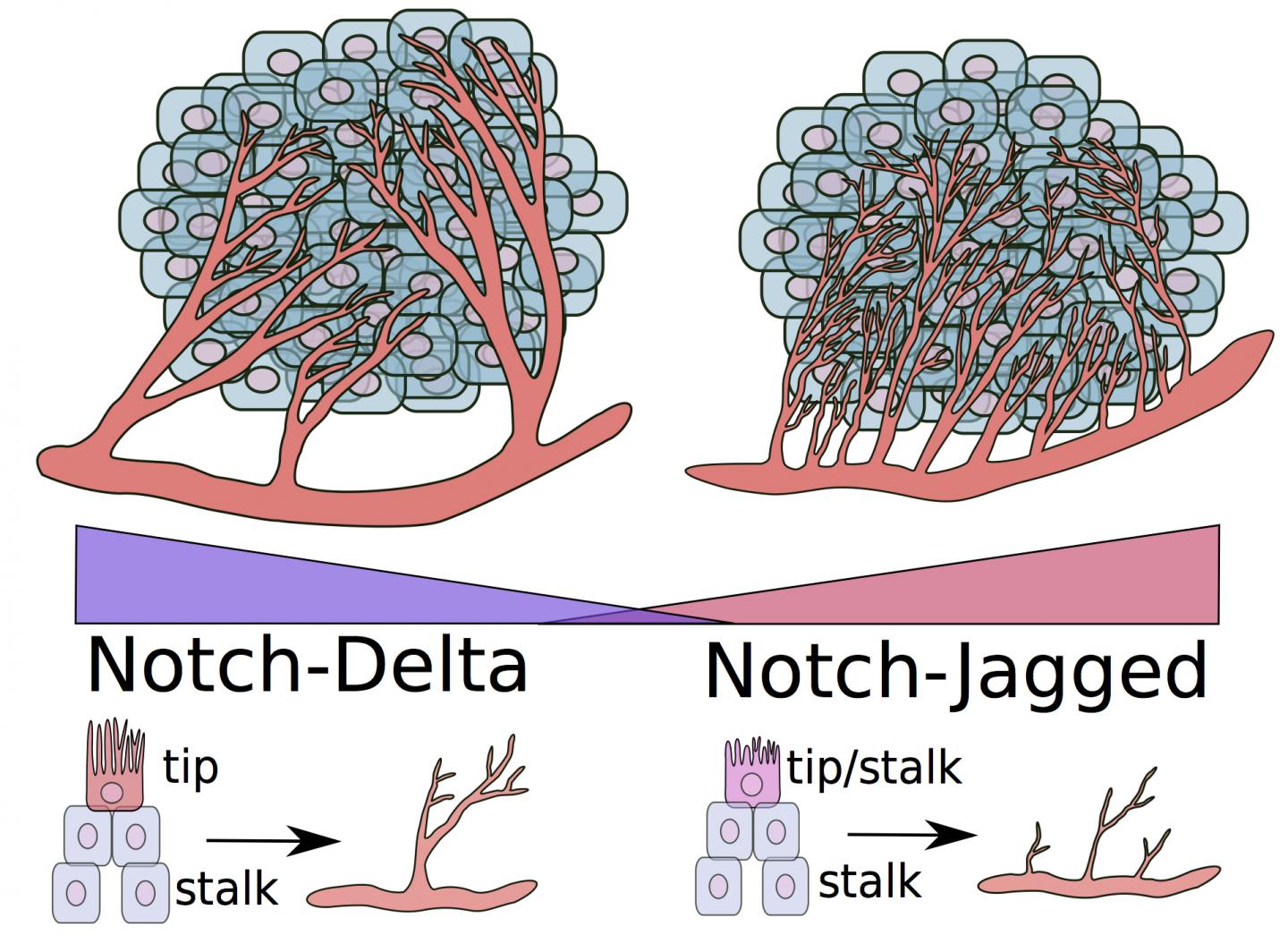
Rice University researchers have built a simulation to show how cancerous tumors manipulate blood-vessel growth for their own benefit.
Like all cells, those in tumors need access to the body's fine network of blood vessels to bring them oxygen and carry away waste. Tumors have learned to game the process called angiogenesis in which new vessels sprout from existing ones, like branches from a tree.
But some details have been hidden until now.
The error-free distribution of genetic material during cell division is important for preventing the development of tumor cells. Prof. Erich Nigg’s research group at the Biozentrum, University of Basel, has uncovered a new important function of the human enzyme Plk1. It plays a significant role in monitoring chromosome segregation.
Have you ever wondered why eating one good-tasting French fry may lead you to eat the whole batch and leave you wanting more? According to a new study with rats, that high-fat indulgence literally changes the populations of bacteria residing inside the gut and also alters the signaling to the brain. The result? The brain no longer senses signals for fullness, which can cause overeating--a leading cause of obesity.
Researchers have discovered that a human antibody specific to dengue virus serotype 2, called 2D22, protects mice from a lethal form of the virus -- and they suggest that the site where 2D22 binds to the virus could represent a potential vaccine target.
The mosquito-borne virus, which infects nearly 400 million people around the world each year, has four distinct serotypes, or variations, and there is currently no protective vaccine available.
A mutation found in most melanomas rewires cancer cells' metabolism, making them dependent on a ketogenesis enzyme, researchers at Winship Cancer Institute of Emory University have discovered.
The finding points to possible strategies for countering resistance to existing drugs that target the B-raf V600E mutation, or potential alternatives to those drugs. It may also explain why the V600E mutation in particular is so common in melanomas.
The results are scheduled for publication in Molecular Cell.
For the first time gene therapy for cystic fibrosis has shown a significant benefit in lung function compared with placebo, in a phase 2 randomized trial. The technique replaces the defective gene response for cystic fibrosis by using inhaled molecules of DNA to deliver a normal working copy of the gene to lung cells.
Statins are a hugely popular drug class used to manage blood cholesterol levels and reduce the risk of heart disease. Previous studies had raised questions about adverse behavioral changes with statins, such as irritability or violence, but findings with statins have been inconsistent. In the first randomized trial to look at statin effects on behavior, researchers at the University of California, San Diego School of Medicine report that aggressive behavior typically declined among men placed on statins (compared to placebo), but typically increased among women placed on statins.
Cancer cells play it dirty to get what they want. They are survival artists with a strong criminal streak. They surround themselves with a protective shield of extra-cellular material and then secure supply lines by attracting new blood vessels.
A new study from Indiana University provides evidence in mice that males may play a positive role in the development of offspring's brains starting before pregnancy.
The research, reported July 30 in the Proceedings of the Royal Society of London B: Biological Sciences, found that female mice exposed to male pheromones gave birth to infants with greater mental ability.