Earth

The incidence of prostate cancer among men of Afro-Caribbean origin is higher than in white men, they are more likely to be diagnosed as emergencies, and their mortality rates are higher.

Why?

A new survey of more than 500 men attending general practices in Bristol may provide answers.

A study of how climate change has affected emperor penguins over the last 30,000 years found that only three populations may have survived during the last ice age interglacial, and that the Ross Sea in Antarctica was likely the refuge for one of them.

The Ross Sea is likely to have been a shelter for emperor penguins for thousands of years during the last ice age, when much of the rest of Antarctica was uninhabitable due to the amount of ice.

The loss of amphibian species across the world from chytridiomycosis, an infectious disease caused by the fungal pathogen Batrachochytrium dendrobatidis (Bd), has been described as “the most spectacular loss of vertebrate biodiversity due to disease in recorded history”. So it’s of grave concern that the pathogen has been discovered in Madagascar, an incredibly biodiverse region previously thought free of the fungus.

There are already concerns that the Affordable Care Act will lead to class distinctions in who gets the best treatment and a new study on brain tumors will add fuel to the fire of that debate.

Patients that are on Medicaid or uninsured (which should be no one now) had higher rates of reportable patient safety and quality of care issues during hospitalization for brain tumors, reports a study.

A type of vertebrate trace fossil gaining recognition in the field of paleontology is that made by various tetrapods (four-footed land-living vertebrates) as they traveled through water under buoyant or semibuoyant conditions.

Researchers have shown that a strong electric field applied to a section of the Keystone pipeline can smooth oil flow and yield significant pump energy savings.

The activity of the Sun is an important factor in the complex interaction that controls our climate. New research now shows that the impact of the Sun is not constant over time, but has greater significance when the Earth is cooler.

There has been much discussion as to whether variations in the strength of the Sun have played a role in triggering climate change in the past, but more and more research results clearly indicate that solar activity - i.e. the amount of radiation coming from the Sun - has an impact on how the climate varies over time.

The number of seagulls in the Strait of Georgia is down by 50 per cent from the 1980s and University of British Columbia researchers say the decline reflects changes in the availability of food.

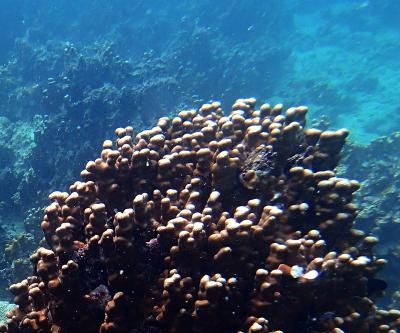
A new species of algae has been discovered in reef corals of the Persian (Arabian) Gulf where it helps corals to survive seawater temperatures of up to 36 degrees Celsius - temperatures that would kill corals elsewhere.

Researchers from the University of Southampton and the New York University Abu Dhabi identified the symbiotic algae in corals from Abu Dhabi, United Arab Emirates, the world's warmest coral reef habitat.

Drinking coffee may be associated with a lower risk of developing multiple sclerosis (MS), according to a study released today that will be presented at the American Academy of Neurology's 67th Annual Meeting in Washington, DC, April 18 to 25, 2015.

According to new research, adults in Ontario with intellectual and developmental disabilities (IDD) are significantly less likely to be screened for colorectal cancer than the general population.

Hélène Ouellette-Kuntz, a Queen's researcher and lead author on the first study of its kind, found that Ontarians with IDD, such as autism and Down syndrome, were almost twice as likely to not be up-to-date with colorectal tests when compared to Ontarians without IDD.

The communication struggles of children with autism spectrum disorder can drive parents and educators to try anything to understand their thoughts, needs and wants. Unfortunately, specialists in psychology and communication disorders do not always communicate the latest science so well.

These factors make the autism community especially vulnerable to interventions and "therapies" that have been thoroughly discredited, says Scott Lilienfeld, a psychologist at Emory University.

New research that focuses on the mechanism by which Ebola virus infects a cell and the discovery of a promising drug therapy candidate is being published February 27, 2015, in the journal Science. Dr. Robert Davey, scientist and Ewing Halsell Scholar in the Department of Immunology and Virology at Texas Biomedical Research Institute announced today that a small molecule called Tetrandrine derived from an Asian herb has shown to be a potent small molecule inhibiting infection of human white blood cells in vitro or petri dish experiments and prevented Ebola virus disease in mice.

The recent slowdown in climate warming is due, at least in part, to natural oscillations in the climate, according to a team of climate scientists, who add that these oscillations represent variability internal to the climate system. They do not signal any slowdown in human-caused global warming.

It is almost inevitable that we will develop genetic mutations associated with leukaemia as we age, according to research published today in Cell Reports. Based on a study of 4219 people without any evidence of blood cancer, scientists estimate that up to 20 per cent of people aged 50-60 and more than 70 per cent of people over 90 have blood cells with the same gene changes as found in leukaemia.