
The most recent eruption on the Canary Islands - at El Hierro in 2011 - produced spectacularly enigmatic white "floating rocks" that originated from the layers of oceanic sedimentary rock underneath the island. An international team of researchers, led from Uppsala University, use microscopic fossils found in the rocks to shed new light on the long-standing puzzle about the origin of the Canary Islands.
Earth
A new paper seeks to debunk the hypothesis that the asteroid that is thought to have led to the extinction of dinosaurs also caused vast global firestorms that ravaged planet Earth.
Does glass ever stop flowing? Researchers at the University of Bristol and Kyoto University have combined computer simulation and information theory, originally invented for telephone communication and cryptography, to answer this puzzling question.
Watching a glass blower at work we can clearly see the liquid nature of hot glass. Once the glass has cooled down to room temperature though, it has become solid and we can pour wine in it or make window panes out of it.
p>[EMBARGOED UNTIL THURSDAY, JAN. 22] Taking antibiotics for diarrhea may put travelers visiting developing parts of the world at higher risk for contracting superbugs and spreading these daunting drug-resistant bacteria to their home countries, according to a new study published in Clinical Infectious Diseases and now available online.
The increase in Medicaid reimbursement for primary care providers, a key provision of the Affordable Care Act (ACA), was associated with a 7.7 percentage points increase in new patient appointment availability without longer wait times, according to results of a new 10-state study in the New England Journal of Medicine.
A study that blended tribal beliefs with scientific methods identified the ecological conditions of forest sites preferred by harvesters of beargrass for use in traditional weaving.
The study, which is among the first to merge native ecological insight with scientific ecological knowledge to understand how different knowledge systems can apply to forest management, appears in the January 2015 issue of the Journal of Forestry.
Using a hot-water drill and an underwater robotic vehicle designed, built and operated by a University of Nebraska-Lincoln engineering team, scientists have made new discoveries about Antarctica's geology and biology.
In addition to new observations about how Antarctica's ice sheets are affected by rising temperatures, the expedition also uncovered a unique ecosystem of fish and invertebrates living in an estuary deep beneath the Antarctic ice.
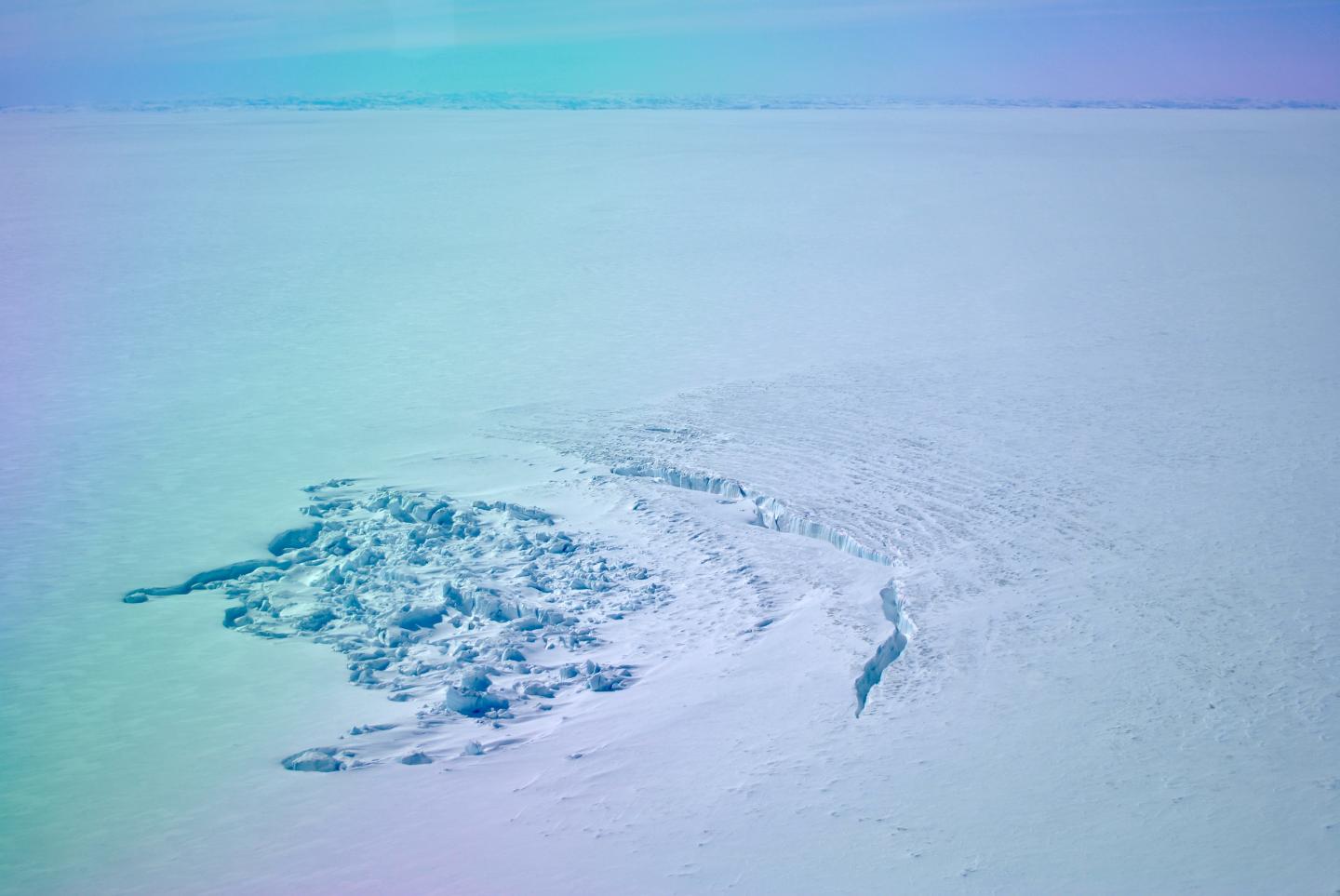
The highest-resolution map of the Greenland Ice Sheet to-date has made a discovery that the authors say surprises them: two lakes of meltwater that pooled beneath the ice and rapidly drained away.
One lake once held billions of gallons of water and emptied to form a mile-wide crater in just a few weeks. The other lake has filled and emptied twice in the last two years.
Geologists from the University of Cambridge uncover hidden magnetic messages from the early solar system in meteorites measured at BESSY II.
A team of scientists led by Dr. Richard Harrison from the University of Cambridge, has captured information stored inside tiny magnetic regions in meteorite samples using the PEEM-Beamline at BESSY II.
This information captures the dying moments of the magnetic field during core solidification on a meteorite parent body, providing a sneak preview of the fate of Earth's own magnetic field as its core continues to freeze.
A team of scientists have shown that meltwater from the surface of an ice cap in northeastern Greenland can make its way beneath the ice and become trapped, refilling a subglacial lake. This meltwater provides heat to the bottom of the ice sheet.
The findings provide new information about atmospheric warming and its affect on the critical zone at the base of the ice. The warmth provided by the water could make the ice sheet move faster and alter how it responds to the changing climate.
Bacteria communicate by means of chemical signals and can develop common characteristics through this "agreement" and also develop their potential pathogenic effects in this way. Scientists working with Dr. Helge B. Bode, an Merck-endowed professor for molecular biotechnology at the Goethe University in Frankfurt, and Dr. Ralf Heermann from the department of microbiology at the Ludwig Maximilian University in Munich, have now described a hitherto unknown communication pathway that appears to be widely distributed.
The U.S. continues to look at the use and regulation of phthalates, which have been associated with health problems. Of particular concern is the safety of these plastic additives to children. A new study aims to improve our understanding of one possible exposure route for babies: vinyl crib mattress covers. Scientists report in ACS' Environmental Science & Technology that as these covers warm up, they emit more phthalates into the air.
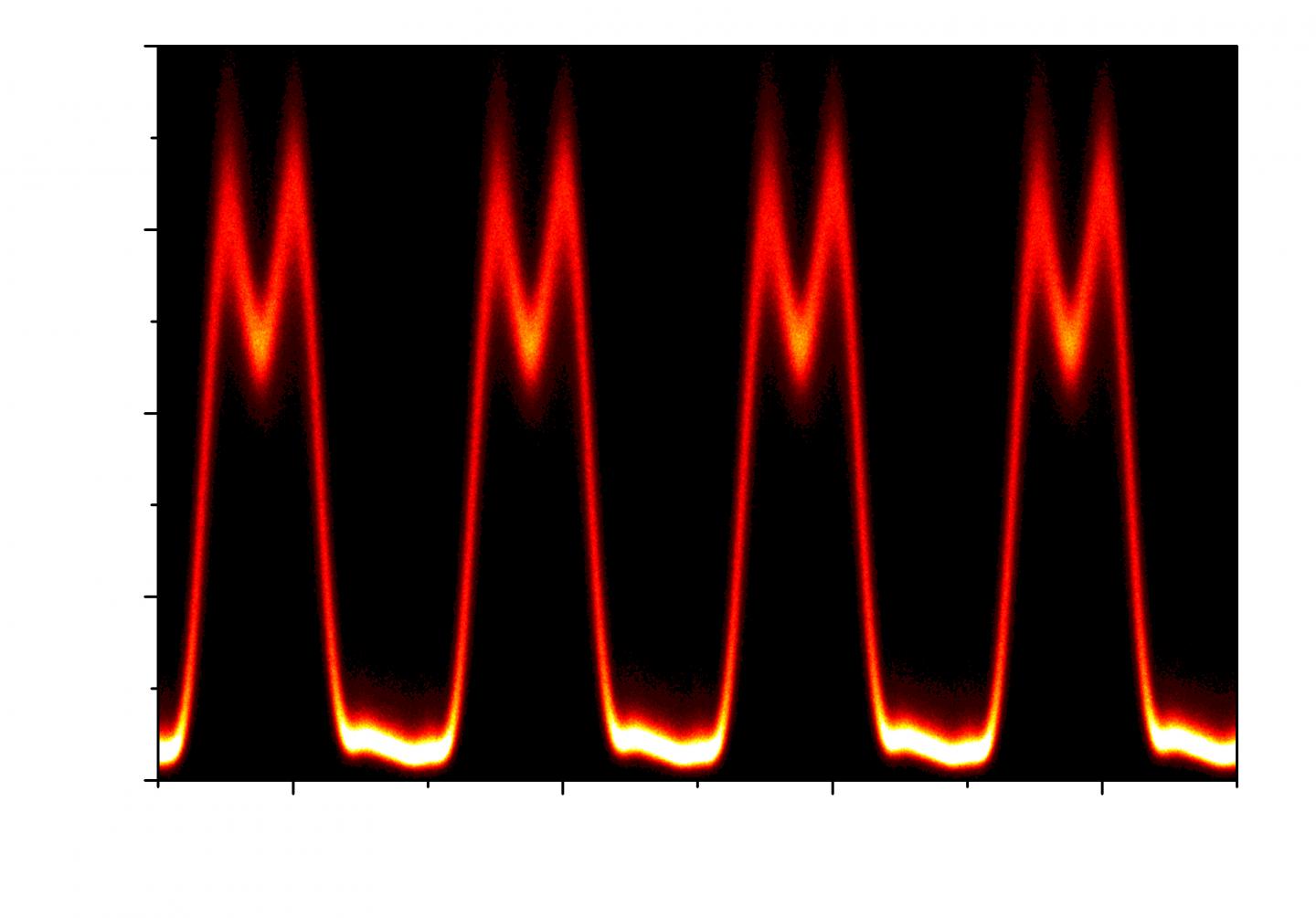
Scientists have developed a new technique to generate more powerful, more energy efficient and low-cost pulsed lasers.
The technique, which was developed by researchers from the University's Optoelectronics Research Centre (ORC), has potential applications in a number of fields that use pulsed lasers including telecommunications, metrology, sensing and material processing.
Engineers have developed a self-cleaning, self-powered smart keyboard that can identify computer users by the way they type. The device, reported in the journal ACS Nano, could help prevent unauthorized users from gaining direct access to computers.
Carbon sequestration promises to address greenhouse-gas emissions by capturing carbon dioxide from the atmosphere and injecting it deep below the Earth's surface, where it would permanently solidify into rock. The U.S. Environmental Protection Agency estimates that current carbon-sequestration technologies may eliminate up to 90 percent of carbon dioxide emissions from coal-fired power plants.